Why We Can’t Wait: A Case for Philanthropic Action: Opportunities for Improving Life Outcomes...
Print this page
Views
views
About
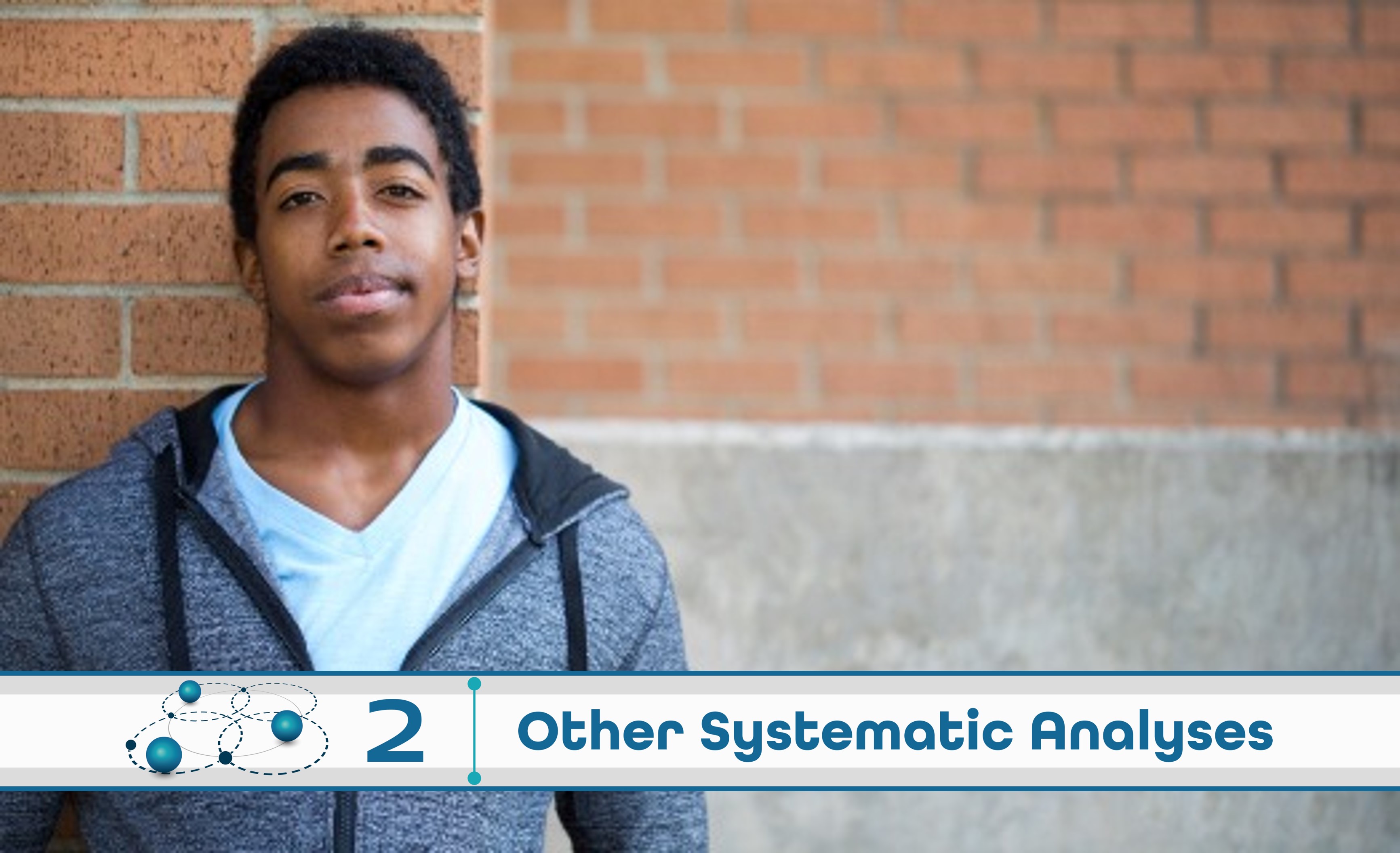
Highlights programs, policies and direct services that aim to impact and improve the life outcomes of young African-American males.
“The report highlights the work of researchers, direct service providers and policy advocates working to turn around the life prospects of young men who are frequently left behind….The efforts described on these pages provide a representative sample, rather than summative listing, of the range of local, state and national projects focused on policy, practice and knowledge production” (p.5). The three sections of this report highlight trends and challenges in social science research focused on black males, case studies and reflections from direct service practitioners working with young black males, and public policy advocacy efforts.
(Abstractor: Author and Website Staff)
Full publication title: Why We Can’t Wait: A Case for Philanthropic Action: Opportunities for Improving Life Outcomes for African-American Males
Major Findings and Recommendations
“The authors recommend the following issues and needs of the research sector for the philanthropic community to consider:
• “Fund grants for research about African-American males [at]...universities;
• “Create a national research center to be a central clearinghouse for research (useful to academicians, practitioners, advocates, funders and policy makers);
• “Develop a forum for scholarly exchange;
• “Support opportunities for scholars to transmit their research into policy briefs that could benefit local, state and federal policy makers and lawmakers” (p.8).
Findings on practitioners/civil society:
• “The Capacity Catch-22—The way in which practitioners talked about issues such as capacity building and technical assistance was very striking…[N]early every interview often centered on capacity issues, most notably fund development, technology and succession planning;
• “The Necessity of Networks—The majority of the organizational leaders with whom the authors interacted expressed a sentiment of professional isolation and the need for support and learning networks;
• Sector Silos….Many practitioners spoke about being disconnected from policy makers and elected officials and the inaccessibility of expert academicians whose institutions are just blocks from the distressed communities in which some of these practitioners work” (p.8-9).
Findings on public policy/advocacy:
• “Most state and local information sources on social services, education or law enforcement policies did not disaggregate by race and gender simultaneously, and where they did, they did not disaggregate on a particular topic across an entire state or across all states;
• “Reports on funding changes, public funding trends and how they affect black males were difficult to find or completely unavailable. The current tendency to focus on static numbers often leaves out an analysis of change over time, which is important for gauging progress, regression and the success or failure of advocacy efforts;
• “The research found the most data on black males in the areas of law enforcement, sentencing and other criminal justice policies. Other areas such as social services, health care, economic justice and education had significantly fewer comprehensive advocacy initiatives and publications that explicitly articulate the public policy impact on black males” (p.10). (Abstractor: Author and Website Staff)
Author(s): Littles, Marcus J.; Bowers, Ryan; Gilmer, Micah
Organizational Author(s): Frontline Solutions
Funding Source: Ford Foundation
Resource Availability: Publicly available
Posted by: Wesley Peterson
Posted in: Workforce System Strategies
Error
An error has occurred. The details of this error have been forwarded to our technical team. If you continue to experience issues,
please contact our support team at support@workforcegps.org.
You are leaving WorkforceGPS and are subject to the privacy and security policies of the owners/sponsors of the external site. WorkforceGPS neither controls nor guarantees the accuracy, relevance, timeliness, completeness, or Section 508 accessibility requirements in a linked site. WorkforceGPS does not endorse the organization or individuals maintaining these sites nor any views they express, products or services offered.